Summer Crossword Puzzle for Kids: A Fun and Functional Tool for Learning and Engagement
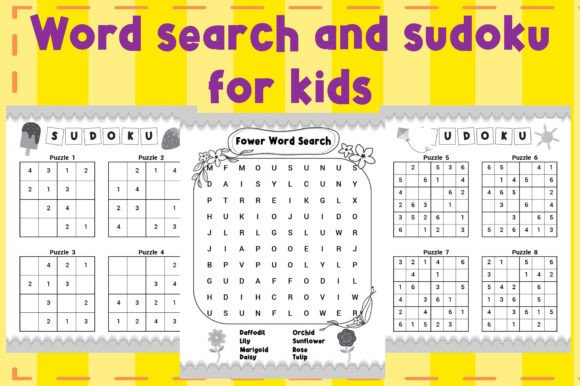
The Summer Crossword Puzzle for Kids is a simple yet effective educational resource designed to keep children engaged during the summer months. These puzzles, often formatted in an 8.5 x 11-inch size, offer a structured way for kids to practice vocabulary, spelling, and critical thinking skills while enjoying a break from traditional classroom learning. Whether used as a standalone activity or integrated into a broader learning plan, these puzzles serve as a valuable tool for parents, educators, and caregivers looking to support cognitive development in a fun and interactive way.
Understanding the Role of Summer Crossword Puzzles in Learning Workflows
Summer crossword puzzles fit naturally into various learning workflows, especially when paired with other educational strategies. They can be used before, during, or after a child’s summer learning plan to reinforce concepts, introduce new vocabulary, or provide a low-pressure review of material covered earlier in the school year. For example, parents might use these puzzles as a warm-up activity before diving into more complex projects, or as a reward after completing a task to maintain motivation.
In a broader educational process, the Summer Crossword Puzzle for Kids acts as a supplementary resource that complements other learning tools like books, online games, and hands-on activities. It provides a structured format that encourages independent learning while still offering a sense of accomplishment upon completion. This makes it particularly useful for families who are planning a summer curriculum or seeking ways to keep children occupied without relying solely on screen time.
Integrating Crossword Puzzles into Daily Routines and Projects
One of the key advantages of the Summer Crossword Puzzle for Kids is its flexibility. It can be incorporated into daily routines, homework sessions, or even family activities. For instance, a parent might set aside 15–20 minutes each morning for a puzzle as part of a morning routine, helping children transition into a focused mindset. Similarly, educators might use these puzzles as part of a summer enrichment program, offering them as optional challenges to students who want to stay sharp over the break.
These puzzles also work well within project-based learning scenarios. If a child is working on a science-related project about weather, for example, a crossword puzzle featuring terms like “precipitation,” “humidity,” and “atmosphere” could help reinforce key vocabulary. By aligning the puzzles with specific themes or topics, parents and teachers can create a more cohesive learning experience that supports long-term retention and understanding.
Collaboration and Social Learning Opportunities
While the Summer Crossword Puzzle for Kids is often used as an individual activity, it can also foster collaboration and social learning. Parents and children can work together to solve a puzzle, turning it into a bonding activity that encourages communication and teamwork. Similarly, group settings such as summer camps or community centers can use these puzzles as icebreakers or team-building exercises, promoting interaction among children while still maintaining an educational focus.
Additionally, these puzzles can serve as a bridge between different age groups. Older siblings or mentors can guide younger children through the process, reinforcing their own knowledge while helping others learn. This kind of peer-to-peer interaction not only enhances the learning experience but also builds confidence and leadership skills in the older participants.
Practical Tips for Using Summer Crossword Puzzles Effectively
To get the most out of the Summer Crossword Puzzle for Kids, consider the following practical tips:
- Set clear goals: Define what you want the child to achieve—whether it's improving vocabulary, practicing spelling, or simply having fun. This helps maintain focus and purpose.
- Choose age-appropriate puzzles: Select puzzles that match the child’s reading level and interests. Too easy or too difficult can lead to frustration or disengagement.
- Use them consistently: Incorporate puzzles into a regular routine to build habits and reinforce learning over time.
- Combine with other resources: Pair puzzles with books, videos, or hands-on activities to create a more immersive learning experience.
- Encourage reflection: After completing a puzzle, ask the child questions about what they learned or how they solved certain clues. This promotes deeper thinking and comprehension.
Enhancing Usability and Organization
For maximum effectiveness, it’s important to organize and manage the Summer Crossword Puzzle for Kids in a way that suits your workflow. Keep puzzles in a designated folder or digital collection so they’re easily accessible when needed. For physical copies, consider using a binder or file organizer to keep them neat and prevent loss. Digital versions can be stored in cloud services or shared via email, making them convenient for remote learning or family use.
When using multiple puzzles, such as the 8.5 X 11 BLeed 20 Puzzles set, it’s helpful to categorize them by theme or difficulty level. This allows for better planning and ensures that the right puzzle is available at the right time. For example, a set of nature-themed puzzles could be used in conjunction with a gardening project, while a set focused on animals might pair well with a visit to a zoo or wildlife center.
Long-Term Benefits and Consistency
Consistent use of the Summer Crossword Puzzle for Kids can lead to long-term benefits, including improved language skills, enhanced problem-solving abilities, and increased confidence in learning. By integrating these puzzles into a child’s routine, parents and educators can create a foundation for continuous growth and curiosity.
Moreover, the repetitive nature of crosswords helps reinforce learning through practice. As children encounter similar patterns and structures, they begin to recognize common word forms, spelling rules, and logical connections. This type of consistent exposure is especially beneficial for young learners who are still developing their literacy skills.
Conclusion: A Simple Tool with Big Impact
The Summer Crossword Puzzle for Kids may seem like a small activity, but its impact on learning and engagement can be significant. Whether used as a standalone exercise or part of a larger educational strategy, these puzzles offer a practical, enjoyable way to support cognitive development. By understanding how to integrate them into daily routines, projects, and learning goals, parents and educators can unlock their full potential and help children make the most of their summer break.