Cooking with Leftovers Planner: A Practical Tool for Efficient Meal Planning
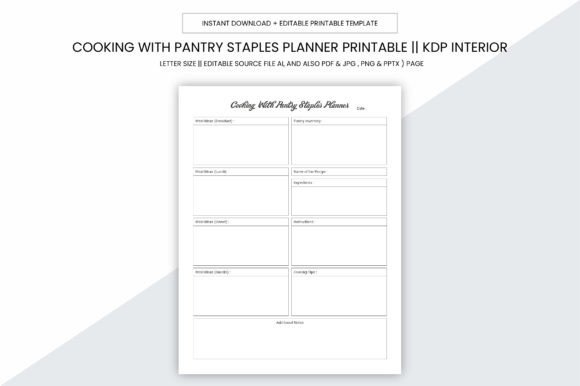
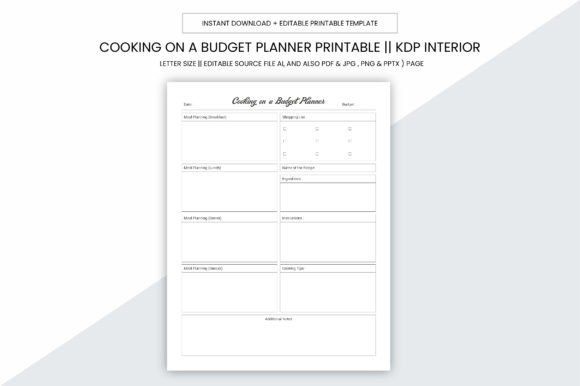
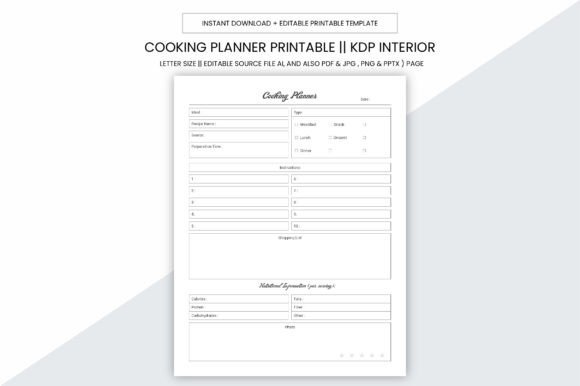
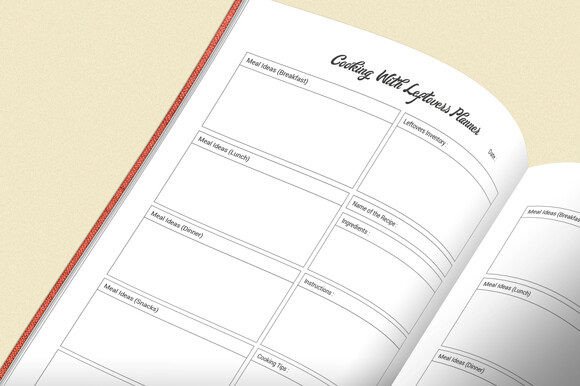
The Cooking with Leftovers Planner is a comprehensive resource designed to help individuals and businesses manage their food inventory more effectively. This planner serves as a logbook that organizes leftover ingredients, meal ideas, and cooking schedules in one place. Its practical size of 8.5 x 11 inches makes it easy to handle and store, while the high-quality print ensures durability and readability.
Key Features of the Cooking with Leftovers Planner
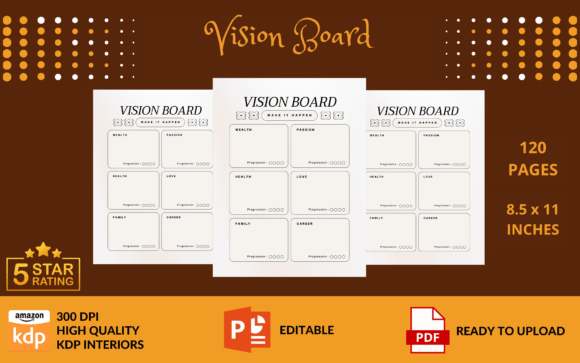
The Cooking with Leftovers Planner offers a range of features that cater to both personal and commercial use. It includes 109 pages of PDF content ready for upload to KDP, making it an ideal choice for entrepreneurs or content creators looking to sell digital products. The planner is available as a digital download in multiple formats, including AI, PDF, JPG, PNG, and PPTX, providing flexibility for users who prefer different editing tools.
The file is printable and editable, allowing users to customize it according to their specific needs. With a resolution of 300 DPI, the quality of the print is sharp and professional, ensuring that it meets the standards required for local business use. The absence of bleed means that the design remains intact when printed, eliminating the need for additional trimming or adjustments.
Why Someone Might Be Interested in the Cooking with Leftovers Planner
Individuals who want to reduce food waste and make the most of their ingredients may find the Cooking with Leftovers Planner particularly useful. By tracking what they have on hand, users can plan meals that utilize leftovers rather than letting them go unused. This approach not only saves money but also supports sustainable eating habits.
For commercial users, such as chefs, caterers, or small business owners, the planner provides a structured way to manage inventory and streamline meal preparation. It can be especially beneficial in environments where efficiency and cost control are critical. The ability to print and customize the planner allows businesses to tailor it to their specific workflows and operational needs.
Benefits and Considerations
The primary benefit of the Cooking with Leftovers Planner is its ability to simplify meal planning by centralizing information about available ingredients. This can lead to more creative and efficient use of food, reducing the likelihood of overbuying or underutilizing resources. Additionally, the planner’s portability and ease of use make it accessible for daily use in both home and professional kitchens.
However, users should consider whether this planner aligns with their specific requirements. While it is well-suited for those looking to organize leftovers, it may not offer advanced features such as recipe databases or integration with grocery lists. For individuals who require more detailed meal-planning tools, alternatives that include these functionalities might be more appropriate.
Situations Where the Planner Is a Strong Fit
The Cooking with Leftovers Planner is particularly effective for users who already have a basic understanding of meal planning and are looking to refine their approach. It is ideal for those who want to track their inventory without relying on digital apps or complex software. The planner’s simplicity makes it a good option for people who prefer a tactile, hands-on method of organizing their food-related tasks.
Businesses that operate in fast-paced environments, such as restaurants or catering services, may also find the planner valuable. It can help staff quickly reference available ingredients and plan meals accordingly, improving overall kitchen efficiency. The planner’s compatibility with local printing services ensures that it can be used in a variety of settings without requiring specialized equipment.
Situations Where Alternatives May Be Worth Considering
Users who need more interactive or customizable features may benefit from exploring other meal-planning solutions. Digital platforms that offer recipe suggestions, shopping list generation, and inventory tracking could provide a more integrated experience. These tools often allow for real-time updates and collaboration, which may be necessary for larger teams or more complex operations.
Additionally, individuals who are not comfortable with manual organization may find the planner less appealing. Those who rely heavily on technology for task management might prefer a digital alternative that syncs across devices and offers automated reminders or alerts.
Decision-Making Insights
When deciding whether to use the Cooking with Leftovers Planner, users should evaluate their current meal-planning methods and identify areas for improvement. If they are looking for a straightforward, low-tech solution to manage leftovers, this planner can be a valuable addition to their toolkit. However, if they require more advanced features or a digital interface, they may need to explore other options.
It is also important to consider the long-term value of the planner. While it offers a practical and affordable way to organize food-related tasks, users should assess whether it will meet their evolving needs. For example, a home cook who plans to expand into a small business may eventually require a more scalable solution.
In summary, the Cooking with Leftovers Planner is a useful tool for anyone seeking to improve their meal planning and reduce food waste. Its practical design, high-quality print, and versatility make it a strong choice for personal and commercial use. However, potential users should carefully consider their specific requirements before making a decision. By weighing the benefits and limitations, they can determine whether this planner aligns with their goals and enhances their overall cooking experience.